
Veneers: Types and How to Choose the Best Option for You
A perfect smile can completely transform your confidence — and veneers are one of the most popular ways to achieve it. Whether you want to fix discoloration, minor misalignments, or worn-down teeth, veneers offer a fast, durable, and natural-looking solution. But with different types available, how do you know which is right for you?
In this article, we’ll break down the main types of veneers, their benefits, and key tips to help you choose the best one for your smile.
1. What Are Dental Veneers and How Do They Work?
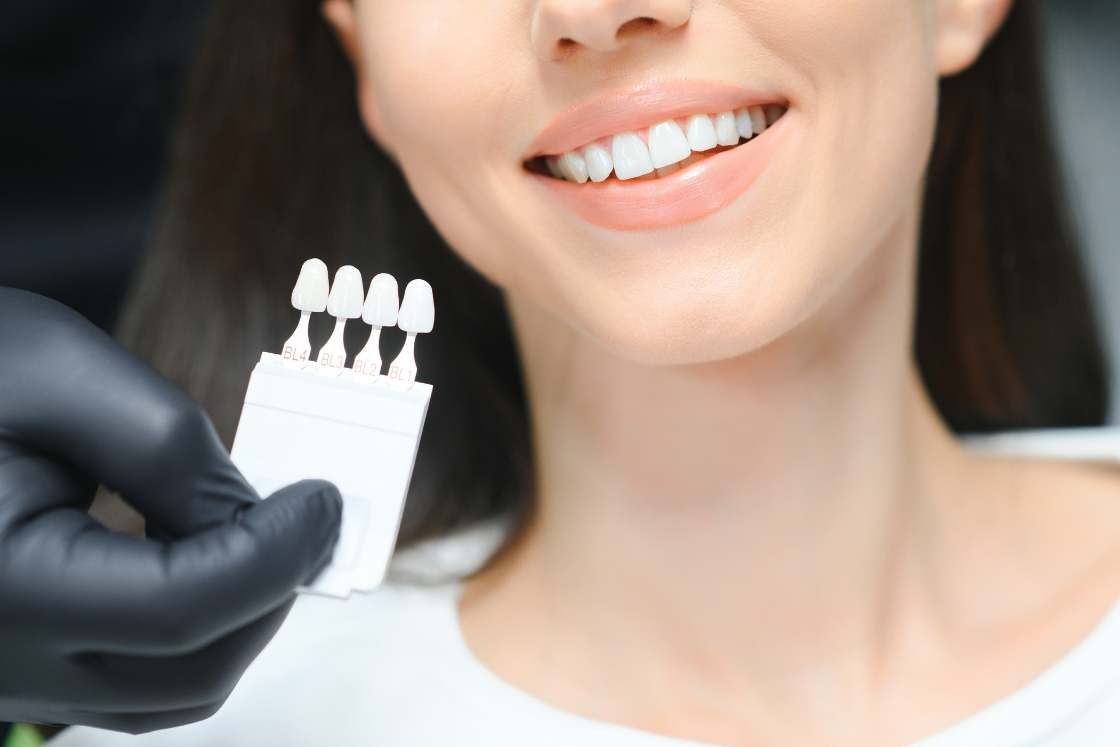
Dental veneers are thin shells placed over the front surface of your teeth to improve their appearance. They’re custom-designed to match the color, shape, and size of your natural teeth, creating a flawless yet natural-looking smile.
Veneers can correct a variety of issues, such as:
✅ Stains or discoloration that whitening can’t remove
✅ Chipped or cracked teeth
✅ Minor gaps or misalignments
✅ Worn enamel
At Dental Biodesign, our specialists use advanced digital imaging and smile design technology to ensure every veneer fits perfectly — enhancing both aesthetics and function.
2. Porcelain Veneers: The Gold Standard for a Perfect Smile
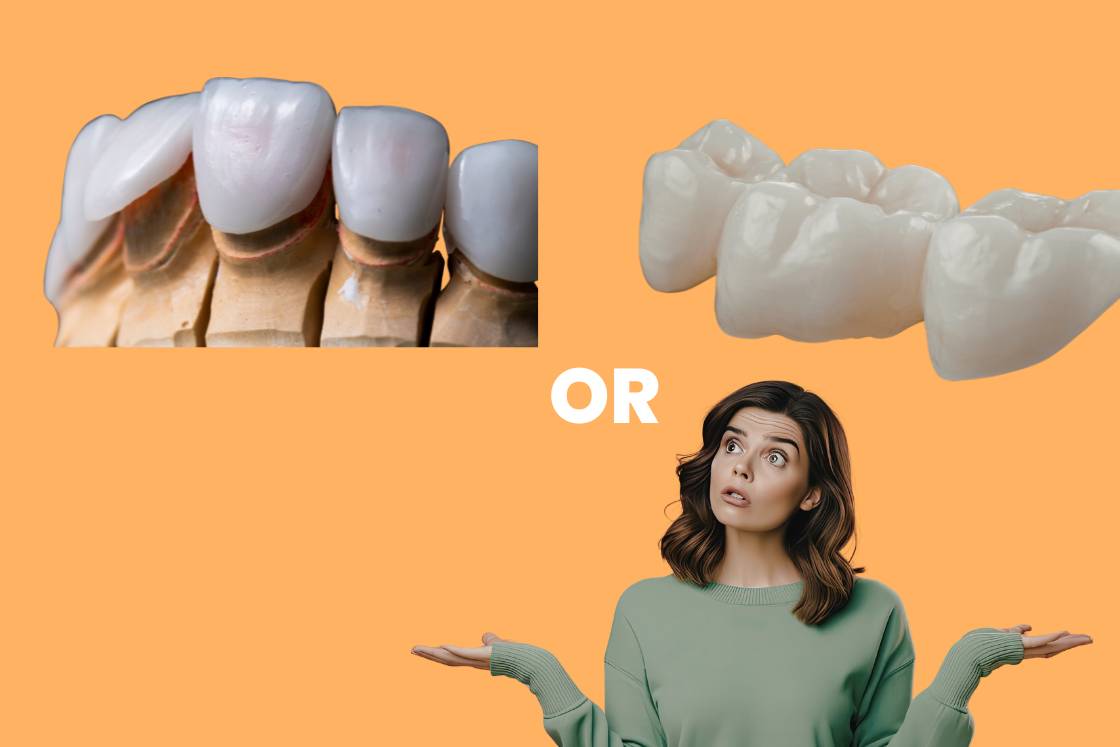
Porcelain veneers are the most popular and durable type. They’re known for their high resistance to staining, long lifespan, and natural translucency, which closely mimics real tooth enamel.
Advantages:
- Lasts 10–15 years or more with proper care
- Reflects light naturally for a realistic appearance
- Highly resistant to coffee, tea, and wine stains
- Custom-made for each tooth
Porcelain veneers are ideal if you’re looking for premium aesthetics and long-term durability.
3. Composite Veneers: A More Affordable and Quick Option
Composite veneers are made of a resin material applied directly to the teeth, then sculpted and polished by the dentist.
Advantages:
- More affordable than porcelain
- Can be completed in a single visit
- Easy to repair if damaged
However, composite veneers may not last as long — typically 5–7 years — and are more prone to staining. They’re a great option for patients looking for a budget-friendly improvement or a temporary smile makeover.
4. No-Prep Veneers: Minimal Changes, Maximum Results
No-prep or minimal-prep veneers (like Lumineers®) require little to no removal of enamel before placement. They’re ultra-thin, preserving your natural tooth structure.
Advantages:
- Painless and non-invasive
- Reversible in some cases
- Ideal for patients with healthy teeth and minor cosmetic flaws
While convenient, not everyone is a candidate for no-prep veneers — a professional evaluation is key to determine suitability.
5. How to Choose the Best Veneers for You
Choosing the right type of veneer depends on several factors:
✔ The condition of your natural teeth
✔ Your smile goals (cosmetic vs. functional improvement)
✔ Budget and desired longevity
✔ Recommendations from your dentist
At Dental Biodesign, our specialists will analyze your facial structure, bite, and tooth color to design a personalized smile plan using the latest digital tools and American-quality materials.
Conclusion: A Custom Smile, Designed Just for You
Investing in veneers means more than improving your teeth — it’s about regaining confidence and showing your best self to the world. Whether you choose porcelain, composite, or no-prep veneers, the right choice starts with expert evaluation and personalized care.
✨ Schedule your evaluation today and discover which type of veneer is perfect for you.
📞 Call (956) 545-9089 or visit www.dentalincbio.com
 EN
EN  ES
ES